Inside the World of Fashion in the Feminine Sport
Dec 12, 2025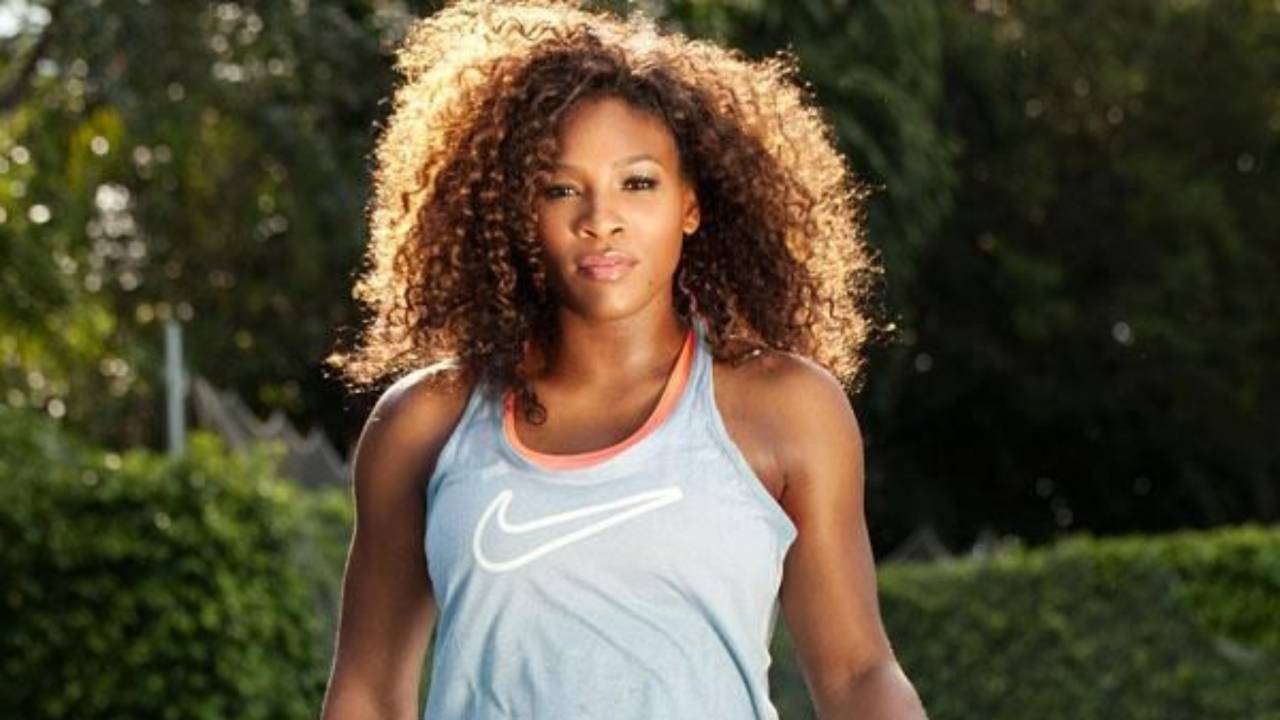
Fashion and sports are deeply intertwined, especially in how they influence the way audiences consume products.
When a brand finds an athlete who excels in their sport, the impact is powerful, boosting visibility, driving product interest, filling seats in stadiums, and even increasing jersey sales.
This effect is especially strong in feminine sport, where brands often invest early in young talent. By the time these athletes reach college or go straight into professional leagues, they already have a solid base of fans and followers.
One of the most famous brands in sports is Nike, and many athletes compete to become Nike athletes. Not only because it has good products, but also because of what it means to be a Nike athlete.
Nike has been there for many athletes during their most important moments. Its partnership with Jordan was so impactful that Nike created a separate division to develop a Jordan line. At that time, Jordan was just a rookie, but we all know that he is the best basketball player of all time.
Nike sold 126 million units, well above the forecast of 3 million. Everyone wants to be like Jordan, which is why people bought his products. This displaced brands that were pioneers in the NBA, such as Converse and Adidas. Jordan was the most anticipated player in the league, attracting new attention and an audience that had not been reached before.
If you were a fan of the brand, its line surely caught your attention, and you became a fan and consumer of the sport. The same thing happened to fans who started consuming Nike.
The Legacy of the Williams Sisters
Unfortunately, men's leagues still receive far more attention and investment than feminine sport, meaning brands miss valuable opportunities in highly engaged markets they don’t always see as cost-effective. Feminine sport has had major cultural growth moments, beginning with the most iconic duo: the Williams sisters.
For years, they dominated tennis, an elite, traditionally exclusive sport, and transformed it into a global spectacle. Nike quickly became part of this cultural shift.
Their courtside outfits, from dresses to sneakers, became some of the most anticipated looks in the sport, helping Nike’s women’s division grow worldwide. Learn more about Serena Williams and Her Nike Design Crew’s’ First Collection.
Nike was a lifeline for Serena Williams, who was always overrated. Nike gave her a five-year sponsorship deal, and those five years were fruitful, with her becoming the most anticipated player on the court due to her different outfits.
The more conservative people in the sport criticized her for drawing attention to herself, “making a lot of noise or playing little,” and even other players gave her unpleasant looks when she entered the court.
But this made people who did not know the sport take an interest in her and her sister. They consumed their products, followed them wherever they went, and they were always the most anticipated players in tournaments.
The Rise of Fashion Icons in the WNBA
Fast-forward to today, and feminine sport is experiencing an even stronger rise, along with athletes who are celebrated not only for their talent but also for their style, personality, and cultural impact. In the WNBA, several players have captured audiences through fashion and beauty as much as through their performance.
Their influence has doubled attendance, boosted merchandise sales, and caught the attention of major brands. Some have even earned coveted invitations to the MET Gala, proving that the intersection of feminine sport and fashion is no longer temporary; it is a mutually beneficial cultural force.
How Beauty Brands Empower Athletes Like Ilona Maher
A powerful example of what happens when a brand fully embraces an athlete is Ilona Maher. One of the most recognizable names in rugby, Ilona built her platform by sharing her journey online, including her experiences at the Olympics.
Despite being told she looked “too masculine” for makeup, she proudly showcased her femininity by getting glam before every match and shutting down critics simply by being exceptional at her sport. Her message resonated deeply, and Maybelline recognized her impact, making her the face of their “Super Stay Matte Ink” campaign.
Beyond the field, she co-hosts a podcast with her sisters where they openly discuss dating, books, life, and everything in between.
Where High-Speed Racing Meets High Fashion
Formula 1 has taken a huge leap forward in the last five years, whether due to the excessive promotion it receives in the United States or the fact that it is a sport consumed by many women. They have given it a voice on social media so that other people can learn about the sport.
Because of this, equal opportunities for women in the sport have always been a topic of conversation. We have seen this in other motor sports leagues, where women have gradually joined or created their own category.
However, this has not been the case, despite the fact that women have been present in the subcategories.
The influx of brands has helped bring attention to the sport,Formula 1 is one of the best sports for marketing. Not only do the brands on the grid compete to see who has the best car, which benefits their sales, but they also sell luxury, fashion, and a lifestyle that can be lived in various ways.
But let's return to the conversation about why a sport with such a large audience and a luxury consumer base does not have any female makeup or clothing brands. In some segments, women dominate the percentages in sports consumption.
With that conversation on the table for years, when Formula 1 decided to create F1, the Academy was celebrated in style. The athletes in this sport have been attracting the attention of brands for some time, but the brands have not been risky enough to bet on an athlete.
It wasn't until Charlotte Tilbury opened the conversation and entered this world as the first luxury cosmetics brand to sponsor. This move sparked a conversation about luxury fashion and makeup brands joining these sports.
It was also criticized because male-dominated sports see this as a weakness for their brands, when in fact it is quite the opposite. People want to keep sports as if they were theirs alone; they don't want more people to enjoy the sport. When that affects the sport from a business perspective.
The Connection Between Fashion and Feminine Sport
Fashion needs sports as much as sports need fashion. Not only because of sponsorship, since it is well known that many women's leagues do not pay salaries equivalent to those of men's leagues. But many of them do it for the love of the sport, and most of these athletes have 9-to-5 jobs.
They leave those jobs to go to practice, to be the best, and to put on a good show to make the fans happy. These women represent many working women who consume makeup and fashion. If one of the brands sponsors a sport or an athlete, they will surely buy the brand not only to support their team or athlete, but also because it reinforces that the brand they like supports the cause.
It is a collaboration to improve the conditions of athletes in women's leagues, and it also reinforces the confidence of these athletes in their femininity.
They are still women who enjoy looking pretty and wearing makeup to boost their confidence. Girls and young women follow them on social media and see what they wear, what brands of clothing they wear, and what outfits they wear to award ceremonies, among other things.
Brands must put fear aside and follow the example of the Netflix series “Running Point,” where the owner took a risk and sought out unconventional sponsors, which led her to talk to executives at Sephora.
Sephora saw the opportunity to be featured on the basketball team's chairs and shirts. Sports are not just for a specific group; they are for everyone. We enjoy them as a family and consume them as a family. Women are more consumerist than men, so it's time to see the benefits and put taboos aside.
✍️ Written by Alejandra Enriquez
JOIN 30K MARKETING GIRLIES
Women in Marketing LinkedIn Group
A private community where young women in marketing network, collaborate, and support each other.
GOOD STUFF ONLY
Sky Society Weekly Edit
Signup for our weekly newsletter for:
✨ New entry-level marketing jobs
✨ Marketing tips and tea
✨ Resume and portfolio resources
✨ Invites to exclusive events
We hate SPAM. We will never sell your information, for any reason.