5 Amazing Brands Using Experiential Marketing to Improve Their Game
Dec 12, 2025
In a digital world filled with ads, pop-ups, and continuous scrolling, marketers are constantly competing for one thing: attention.
However, consumers do not remember every instagram post or commercial they see. What they do remember are the moments that caused them to pause, participate, and feel something.
That’s why so many brands are moving away from traditional marketing and towards something more engaging and memorable. Instead of attempting to speak to consumers, they are developing experiences that draw them in and make them a part of the story.
Before we get into the brand examples, let's go over the basics: what is experiential marketing, and why it is becoming one of the most effective tools for brand storytelling today.
What is Experiential Marketing?
Experiential marketing is a strategy that encourages people to enter a brand’s world and interact with it in a meaningful way.
Instead of relying on traditional advertising, it prioritizes generating moments in which people can participate; moments that are memorable, intimate, and authentic. At its core, experiential marketing allows customers to interact with a brand outside the screen.
They could visit a pop-up, test a product in an unexpected location, or participate in an event intended to generate interest and emotion. These encounters frequently feel playful or immersive, making them organically shareable and easy to discuss.
The power of experiential marketing stems from connection. When individuals participate in an experience rather than simply observe it, they develop stronger impressions and more real ties with the brand. In a world full of digital noise, real-life interactions help brands stand out, establish loyalty, and remain relevant.

Types of Experiential Marketing Brands Use.
Experiential marketing is not a one-size-fits-all. Brands can use it in a variety of ways, based on their objectives, target demographics, and creative approaches. While some ads take over entire city blocks, others win through modest, planned moments that create interest or connection.
Here are some of the most effective styles that brands are using:
- Pop-up Experiences
Pop-ups are temporary brand locations that range from fully themed rooms to basic product demonstrations, allowing customers to discover a brand in a selected setting. They're perfect for launches, limited-edition drops, and seasonal promotions since they imply exclusivity and urgency.
- Immersive Installations
These interactive displays use visuals, sound, scent, or physical movement to bring a brand story to life. Installations are especially designed to be photographed, making them highly shareable and impactful both in-person and online.
- Product Sampling & Demo Events
Hands-on product trials help consumers understand a brand’s value instantly, whether it’s from testing beauty products, trying new food and beverage items, or experiencing tech in real time, sampling reduces hesitation and builds trust.
- Workshops, Classes, and Community Events
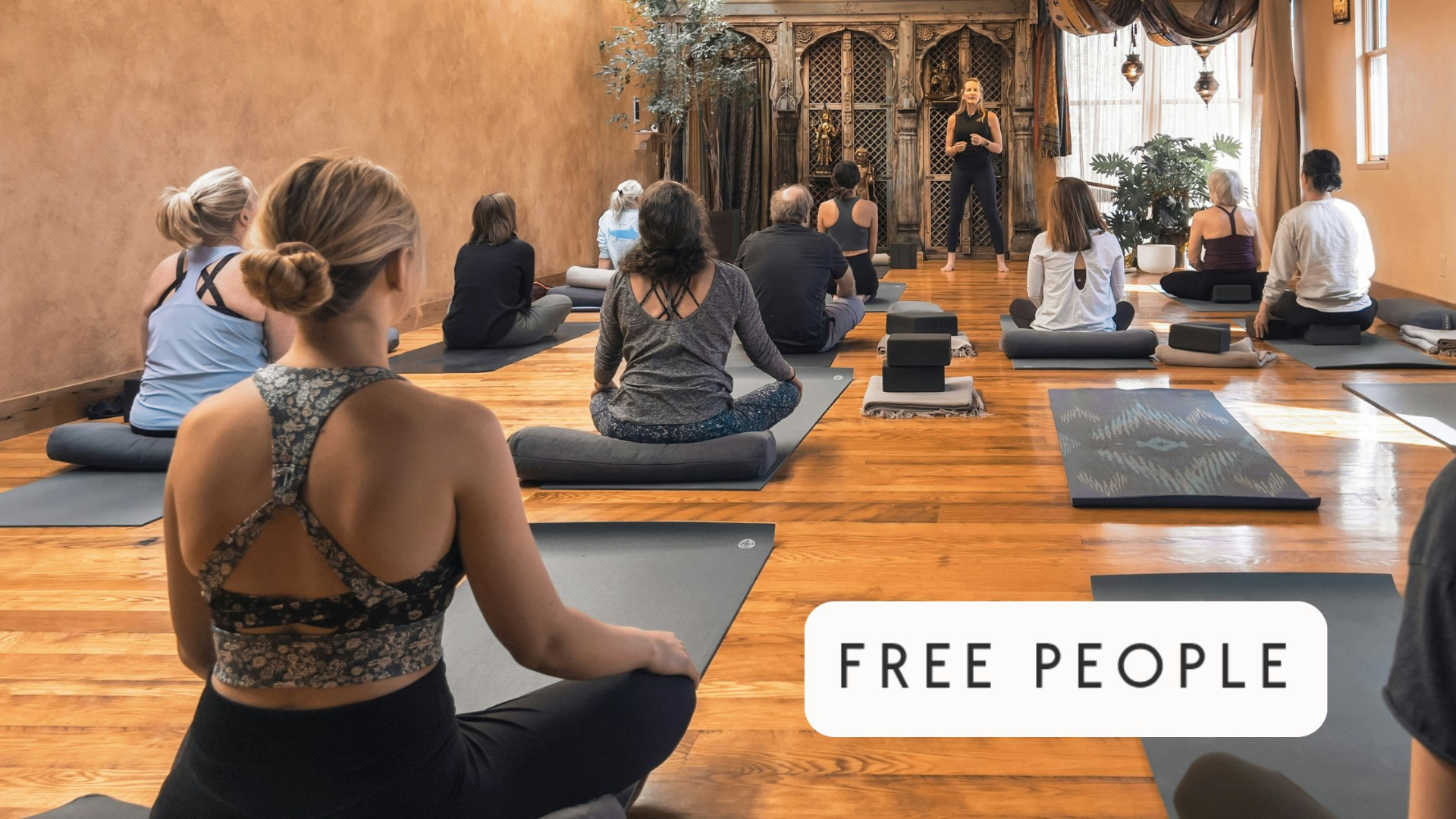
Brands like FP Movement thrive in this space. Events built around wellness, creativity, or lifestyle help audiences feel part of something larger. These experiences shift the focus from selling a product to belonging to a community.
- Mobile Activations
From branded vans to bike carts and Vespas, mobile activations bring the brand directly to consumers. They're flexible, eye-catching, and effective for reaching multiple neighborhoods or capturing attention during major cultural moments.
- Sensory Experiences
These activations engage touch, taste, smell, sound, or sight in unexpected ways-like Billie’s scratch-and-sniff billboards. Sensory marketing creates immediate emotional response and strong memory recall.
- VIP or Influencer-Driven Events
Exclusive, invite-invite only experiences help brands connect with editors, creators, and tastemakers who can amplify the moment to a wider audience. These events often set trends and drive early buzz around new launches.
Brands using Experiential Marketing.
BÉIS: Experiencing Travel Through the Human Claw Pop-Up
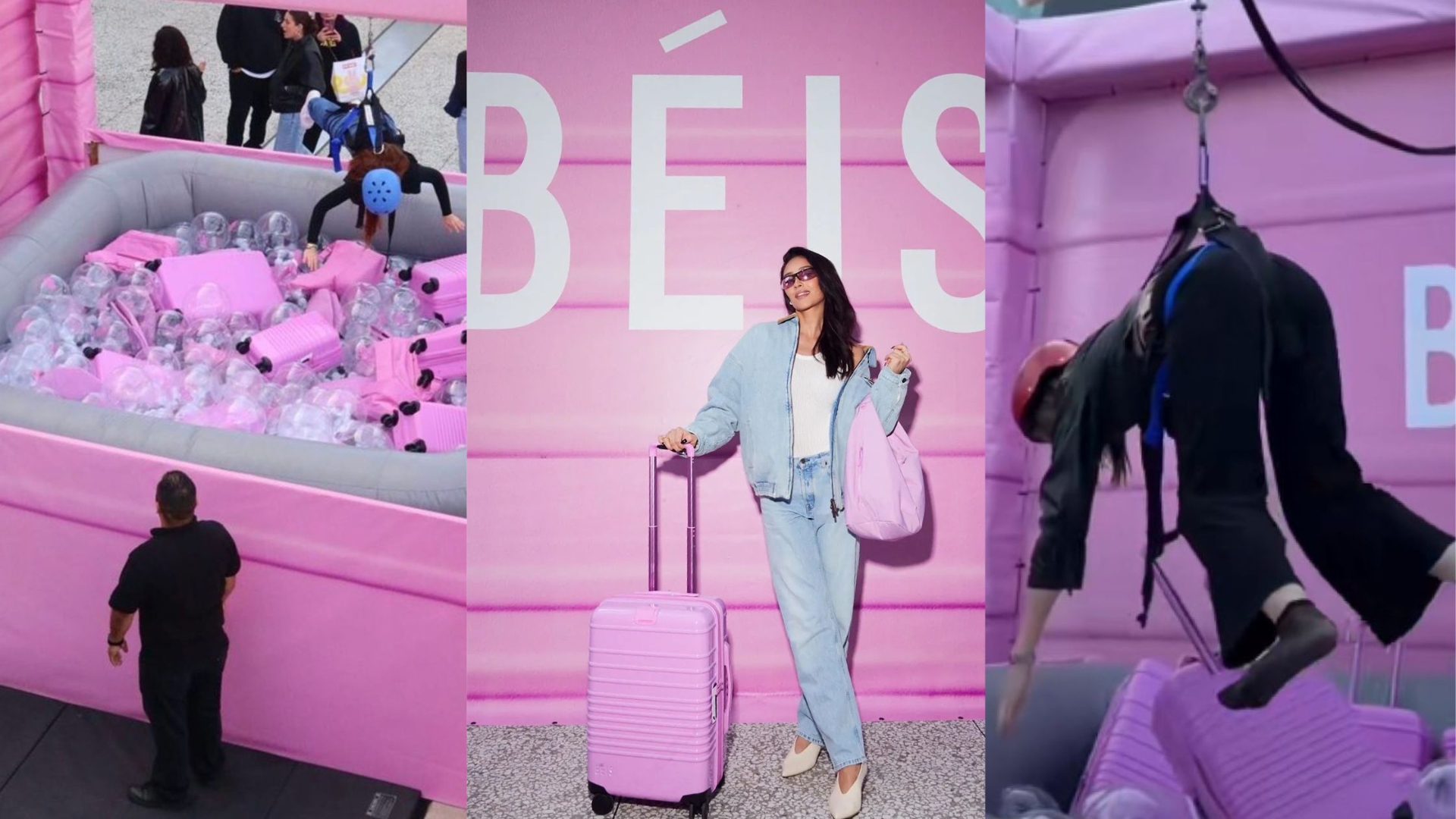
BÉIS, the travel brand founded by Shay Mitchell, used experiential marketing to make luggage exciting. To promote its berry-colored luggage line, the brand created a “Human Claw Machine” pop-up.
Participants were strapped into a harness and lowered into a pit filled with BÉIS products, grabbing what they could.
The concept turned a simple product launch into a real-life game. Crowds came together to watch. Videos circulated on social media, showing how playful moments can lead to strong engagement. BÉIS showed that experiential marketing can be simple. It just needs to make people feel something.
Billie: A Scented Billboard That Brings Advertising to Life
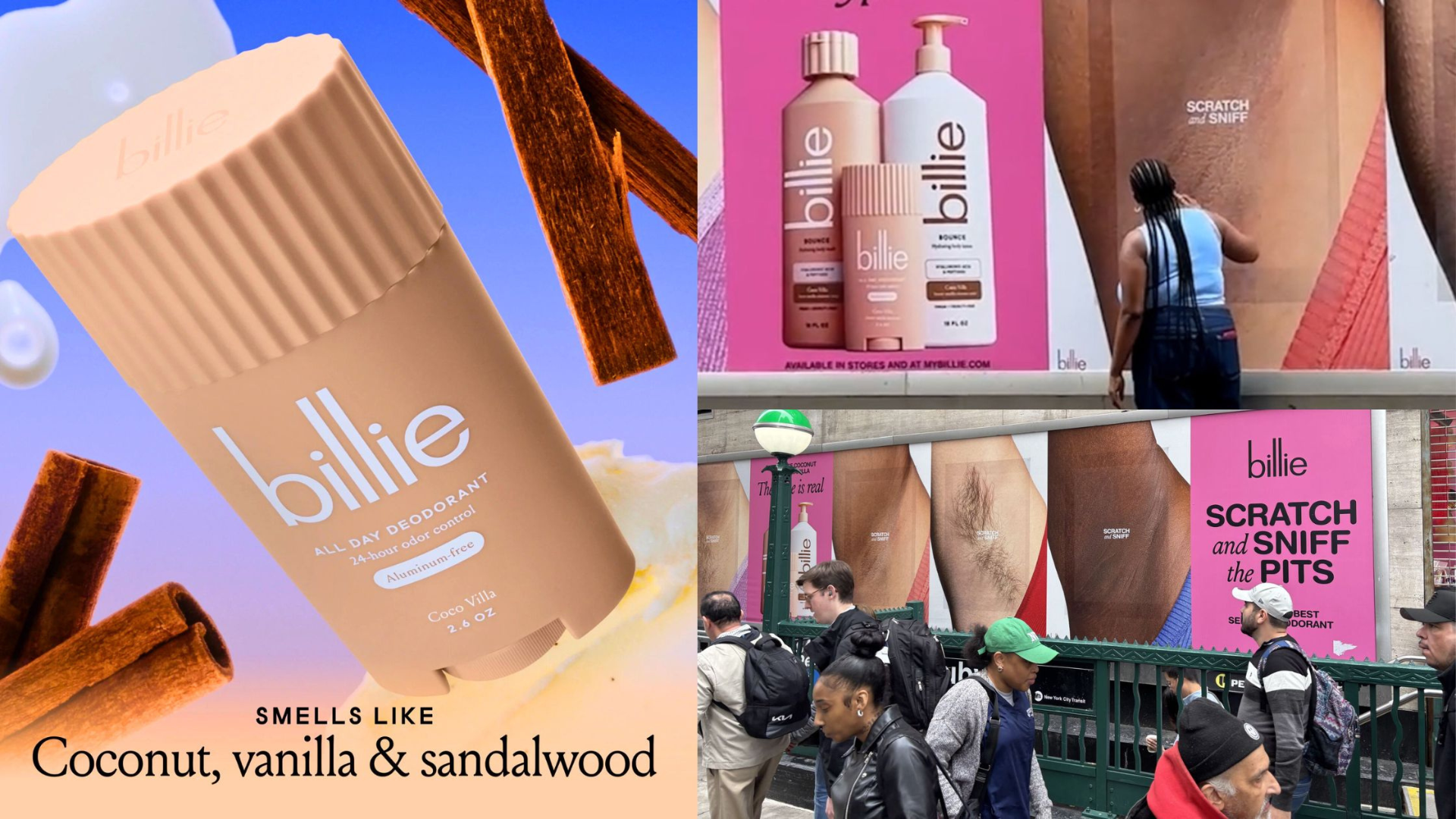
Personal care brand Billie took experiential marketing to the streets of New York City with its “Coco Villa” deodorant launch. The brand installed scratch-and-sniff billboards shaped like armpits and infused with coconut, vanilla, and sandalwood scents.
Each sign read “SCRATCH and SNIFF the PITS,” inviting passersby to interact with the ad. The playful design created curiosity and laughter, while social media amplified the experience far beyond the city streets.
Billie’s campaign showed how even everyday products can spark conversation when people are invited to engage their senses.
Free People: Wellness Classes That Connect and Inspire
Free People’s FP Movement line focuses on connection and wellness through real experiences. Instead of promoting its activewear through standard ads, the brand hosts yoga classes, fitness events, and workshops that celebrate movement and mindfulness.
By partnering with fitness collectives like The Class, FP Movement creates genuine spaces where people can live the brand’s values.
These events aren’t about selling-they’re about belonging. Attendees feel part of something larger, which builds trust and long-term loyalty. It’s a reminder that experiential marketing isn’t just about big displays; it’s about building communities around shared interests.
Merit Beauty: Handing Out Products on Branded Vespas
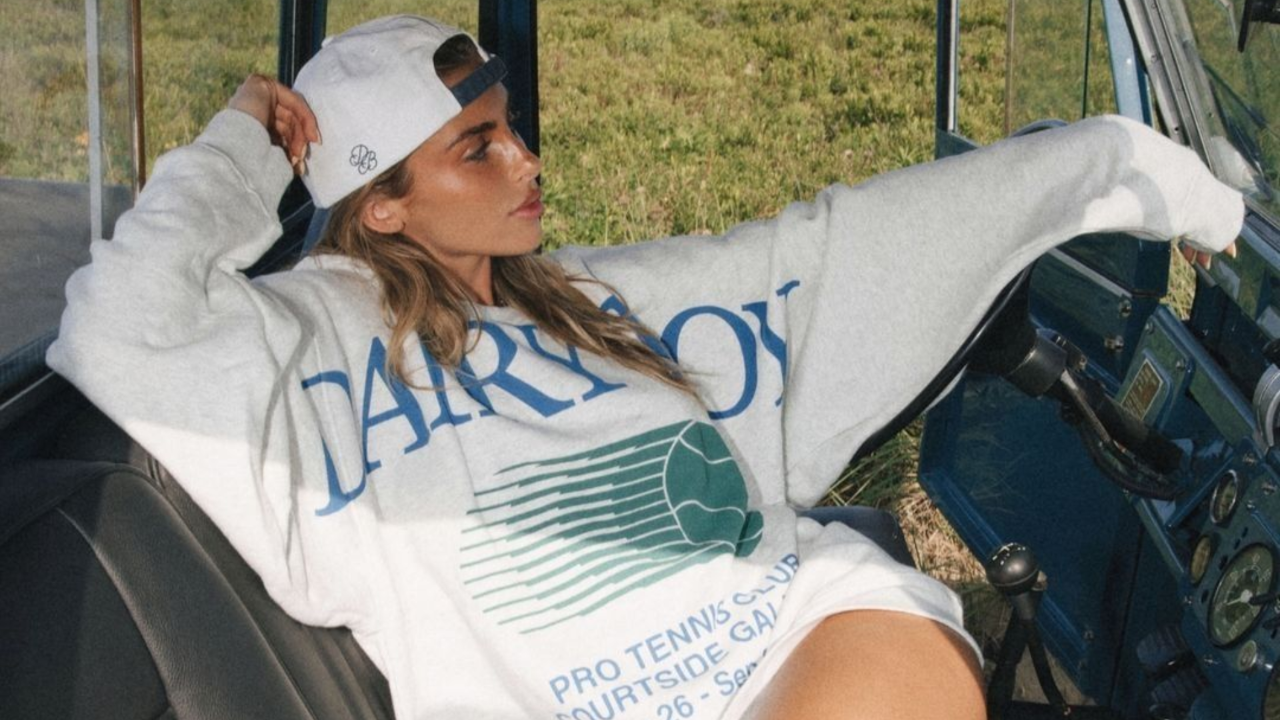
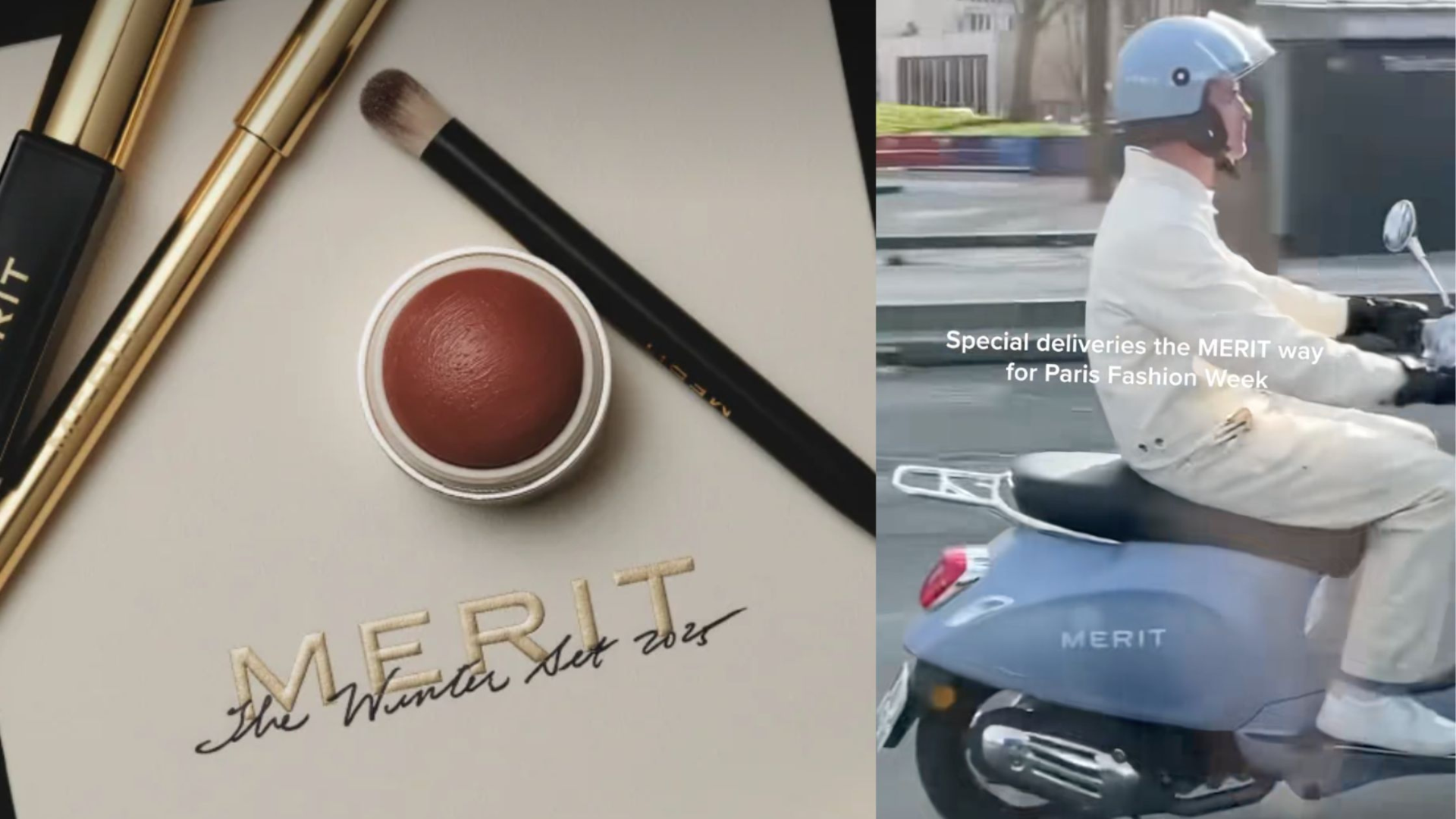
Merit Beauty brought its minimalist style to Paris Fashion Week in a fresh way. The brand launched a fleet of branded Vespas to deliver personalized beauty kits across the city to editors and influencers. The approach was simple yet impactful.
Each Vespa delivery created excitement and visibility while staying true to the brand’s clean, effortless image. Photos and videos of the campaign spread across social platforms, showing how thoughtful experiential marketing can create buzz without the need for a large-scale event.
Rhode: Summer Beach Club Experiences That Elevate Skincare
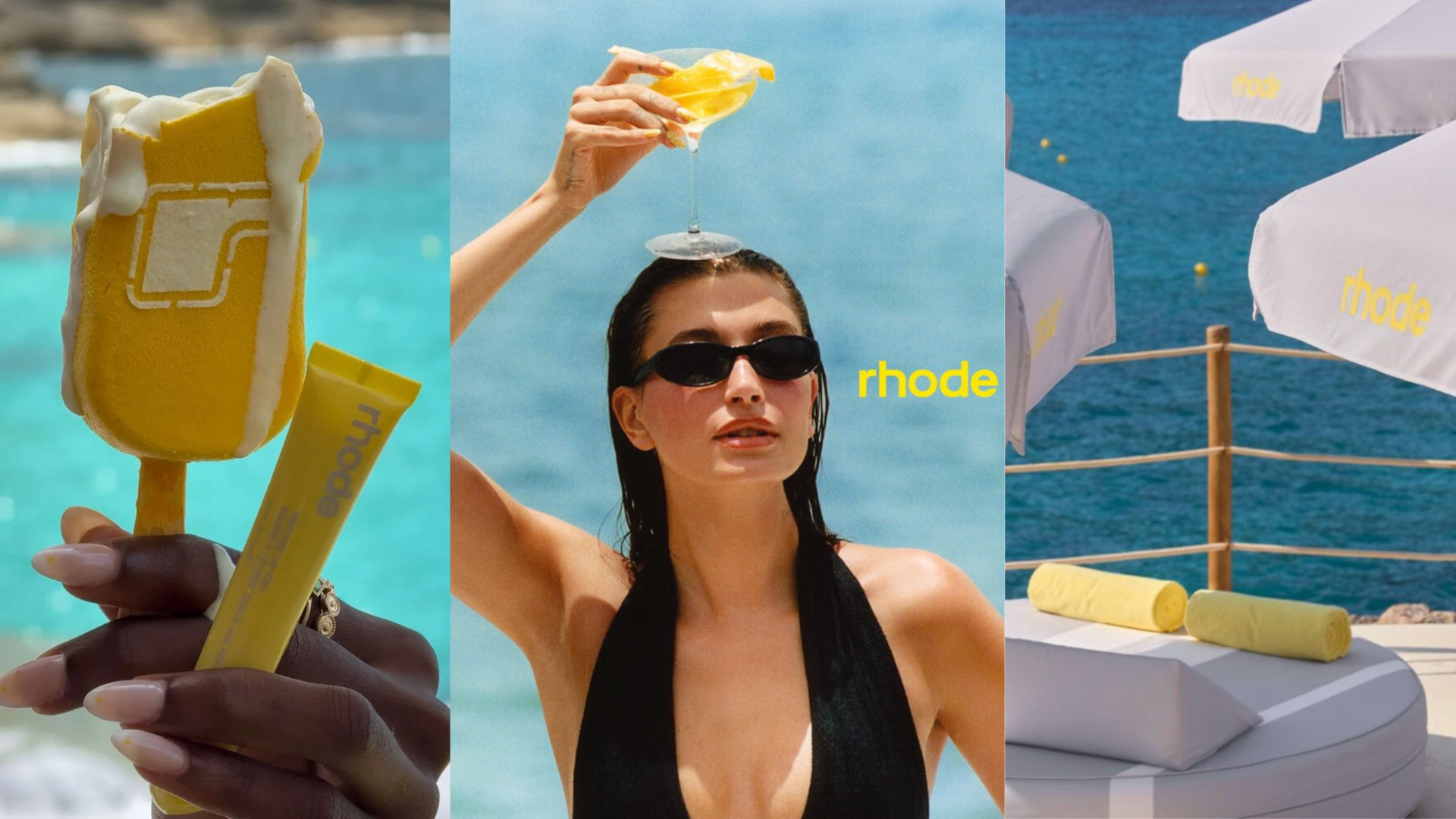
Rhode, Hailey Bieber’s skincare brand, embraced experiential marketing with a summer pop-up at Mallorca’s Gran Folies beach club. For two weeks, the setting transformed into a Rhode-inspired paradise celebrating the new Lemontini Peptide Lip Tint.
Branded towels, loungers, and umbrellas-all in Rhode’s soft yellow and gray tones-created a serene, photo-ready space. Guests enjoyed ice cream, music, and the full “Rhode lifestyle.” The campaign encouraged visitors to live the brand in real life, not just see it online.
This immersive experience captured Rhode’s minimalist aesthetic while sparking organic content online. It combined lifestyle, beauty, and community into one shareable moment. This shows how experiential marketing can turn a simple product launch into a worldwide conversation.
Why Experiential Marketing Works
Experiential marketing works because it taps into something people are increasingly looking for: genuine connection. In a world saturated with digital content, real-life connections feel refreshing. They allow people to slow down, be present, and interact with a business in a way that feels personal rather than commercial.
These experiences help individuals grasp a brand’s identity on a deeper level. Instead than depending on edited pictures or short-form social content, brands can demonstrate their personality, values, and stories by creating settings that people can walk through, touch, or participate in.
This type of immersion creates a more comprehensive and authentic impression; one that lasts long after the moment has passed.
BÉIS, Billie, FP Movement, Merit, and Rhode’s campaigns all demonstrate that different approaches (playful, sensory, community-focused, or lifestyle-driven) can have long-term influence. What they have in common is the capacity to turn a brand from something people see to something they actively experience.
These kinds of interactions are effective because:
- Build emotional connections
- Encourage conversation
- Spark organic social sharing
- Make brands more memorable
- Create a sense of belonging
In a world overloaded with content, all fighting for attention, experiential marketing stands out by providing consumers with something they can feel, remember and want to share, transforming brand interactions into meaningful experiences.
How Experiential Marketing Is Shaping the Future of Brand Engagement
As audiences place a higher importance on authenticity, transparency, and emotional resonance. Brands are reconsidering how they communicate.
Traditional advertising still has a purpose, but it no longer carries the same power it once did. People today want to interact rather than merely watch, and experiential marketing proves direct responses.
This method is defining the future of brand interaction by making marketing more interactive and human-centered. Rather than providing messaging for rapid views, marketers are developing experiences centered on discovery, connection, and community. These might be large-scale immersive events or tiny, deliberate connections; the important thing is that people are invited to participate.
One of the most significant effects of experiential marketing is how it turns passive audiences into active fans. When individuals physically interact with a brand, they form personal experiences, memories, and associations that outlast any digital impression.
These interactions strengthen brand loyalty and generate supporters who organically spread their excitement to others.
This transformation is also affecting the digital landscape. Experiences made for real life frequently live on through organic content-photos, films, and conversations that spread well beyond the event itself. That form of engagement is extremely valuable in today’s divided attending setting.
Ultimately, experiential marketing shapes the future by establishing a new standard: firms must provide something important, memorable, and participatory. Brands that do this successfully will remain relevant, connected, and at the forefront of the marketing world as it evolves.
✍️ Written by Yuridiana Mendez
JOIN 30K MARKETING GIRLIES
Women in Marketing LinkedIn Group
A private community where young women in marketing network, collaborate, and support each other.
GOOD STUFF ONLY
Sky Society Weekly Edit
Signup for our weekly newsletter for:
✨ New entry-level marketing jobs
✨ Marketing tips and tea
✨ Resume and portfolio resources
✨ Invites to exclusive events
We hate SPAM. We will never sell your information, for any reason.