Emotional Branding : Unique Ways of The Most Successful Cult Brands.
Apr 03, 2026
You do not fall in love with products. You fall in love with who you become when you own the product.
Have you ever seen an advert or campaign where you felt the emotions as if they were your own? Where you feel drawn to the product? That is emotional branding.
This marketing strategy uses emotive branding to make customers feel before they think. Connect audiences with brands by forming deep connections through shared values, identity, and a sense of belonging.
Cult brands are experts at creating brand loyalty by using emotive branding strategies and producing shared values and experiences with customers. The connection you feel when purchasing from your favorite brands is intentional.
Why Is Emotional Branding Important?
Living in the world of social media, we create millions of connections, yet none at the same time. A like, share, or repost doesn’t create the emotional connections that people long for. Emotional branding strategies are necessary to stand out in a saturated market.
Rather than selling a product, brands are selling a story with emotions and identity, which helps create a deeper connection with consumers, differentiating themselves from competitors. The branding needs to be meticulous. Customers encounter thousands of products and ads daily.
To gain exposure among them, the brand needs to stand out. Instead of product appeal, companies need to connect with customers emotionally.
Products need a successful branding strategy that goes further than the visual aspects of branding. Emotional branding is essential for audience engagement and long-term bonding. The key to achieving these goals is to deeply understand the psychology of emotional branding. Learning how the subconscious works and the way decisions are made is vital.
Emotion vs. Logic

When purchasing a product, emotions largely outweigh logic in decision-making.
Many of us had at least a handful of impulse purchases in the past couple of months. For that, we should blame the emotional side of our brain. The brain's emotional center decides most purchasing decisions, unless logic wins.
The emotional half of the brain decides to buy a product, and the logical side justifies it. This process is easier to do if the consumers already feel an emotional connection to the brand through brand recall and trust.
The trust should be encouraged through effective marketing strategies, engagement & interaction with the audience, and past experiences with the brand.
How Emotional Branding Creates “Cult Brands"?
To become a "cult brand" requires a strong emotional brand. People want to be a part of a community that is built on a brand with deep emotional identity and values. We see examples of these every day, without even realizing it.
Focusing on creating connections encourages potential and existing customers to trust the brand. As a customer, you feel like you're a part of the community and the bigger picture with every sale. Long-term, such an approach could create brand loyalty and, later, brand advocacy.
Customers who feel connected to a brand are more likely to recommend it to others and support it over time.
Key Factors of Successful Emotional Branding
Effective storytelling is crucial for successful emotional branding. A clearly laid out story can be the perfect tool of persuasion. To achieve these goals, there are unwritten rules that brands will follow.
Authentic Storytelling: Creating a story rather than just creating a product. The brand could narrate a story relating to experiences, feelings, or challenges generally felt by the audience.
It is important for consumers to resonate with the identity and values of the brand. Such an effect can be achieved through consistent, authentic storytelling.
Transparency & Consistency: Using a clear, consistent brand voice keeps the audience in the loop about the brand's direction. Transparency and consistency help evoke trust and loyalty from the brand. Not leaving room for uncertainty builds a strong relationship between brand and customer.
Visual and Sensory Designs: In combination with storytelling, the visual aspects must also evoke the same emotions for it to be consistent. For example, if your brand wants to evoke happiness, the design will most likely use warm colors like yellow and fluid designs rather than cold colors and sharp designs.
Emotional Branding done perfectly.
The following brands have used these rules to build a standout emotional branding strategy and win millions of hearts every day.

Nike - Powerful Storytelling.
Nike truly prioritizes storytelling. Have you noticed that Nike ads rarely mention the products that they aim to promote? Whether it’s Instagram posts or an ad on YouTube, all Nike campaigns aim to evoke certain emotions in viewers, such as determination and inspiration.
Nike is an iconic brand and simply the most well-known example that comes to mind for successful emotional branding.
This cult brand built its emotional branding around the theme of motivation. They inspire, they challenge, and they even provoke to gain traction. The brand built itself around its slogan, “just do it.” The goal of Nike’s story is to empower the audience to continue moving forward and not give in to fears of failure.
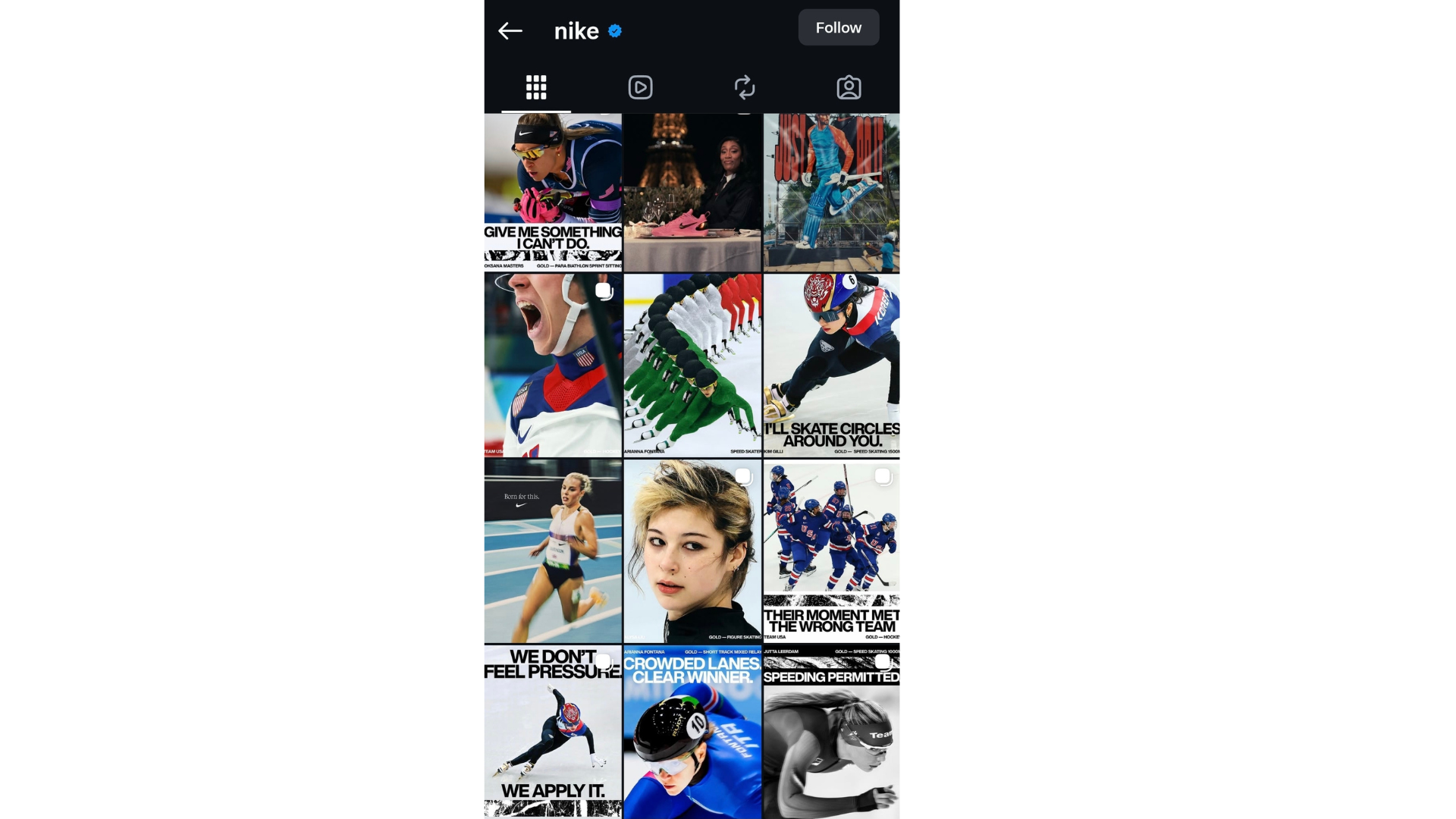
This goal is achieved by their partnerships with the biggest athletes in the world. Nike collaborates across different sports. The campaigns portray struggling athletes becoming champions who never give up. These campaigns all convey similar messages.
The voices of self-doubt and self-hatred represent the enemy. The consumer is the victor who overcomes these challenges by using Nike products.
That is why emotional branding works in this case. When you buy the product, you are also buying into the identity of the person you aspire to become.
Apple - Selling identity.
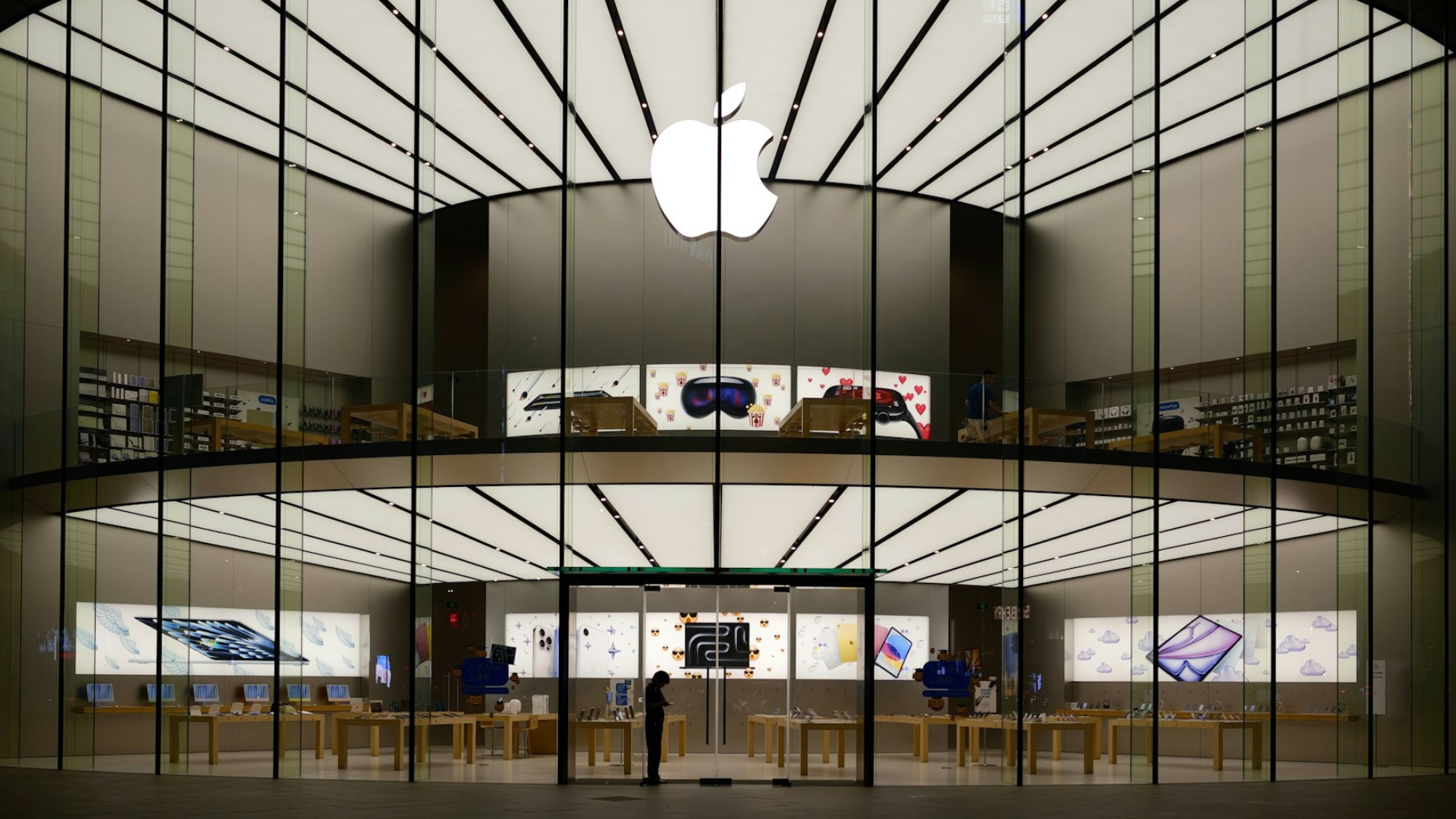
Apple has outgrown the bubble of simply being technology. It sells a luxury lifestyle, dreams, and creativity. Rather than selling products, Apple's focus is to sell identity. It has created a community that promotes individuality and innovation.
The brand uses emotive branding strategies to pull the audience to become buyers and lifelong consumers.
There is no need for technical specifications for Apple products. The minimalist design and ease of use help focus on the consumer. It is about them. Apple's goal is to simplify consumers' lives.
Just owning an Apple device will boost self-esteem. The company's slogan, "Think Different," also serves to make you stand out in a crowd. Apple makes people feel superior. Apple has established an ecosystem that makes its users feel like they are "insiders," and anyone who does not own Apple products is an "outsider."
Every aspect is designed to create an experience for the customers. From the buying process to unboxing to then actually using the product on a daily basis. It is designed to make customers feel valued and looked after, building on brand loyalty with each step.

Coca-Cola: Nostalgia sells.
Nostalgia is a form of emotional branding that uses positive memories and shared connections from the past. These past memories help build meaningful connections, trust, and loyalty in the present.
Coca-Cola focuses on selling its products through feelings of nostalgia, happiness, and togetherness. Their campaign of “share a Coke” connected different generations with the personalized bottles. It made average bulk-produced products feel like well-thought-out personal products.
The personalization helps deliver the joy and “real magic” that the brand is known for.
Creating human connections has always been the priority. Coke has created a false collective memory through consistency. All ads have similar themes of family gatherings, friendships, and the holidays.
Creating a community through familiarity, comfort, and tradition. The audience is reminded of happiness. The childhood memories, the holiday seasons, and the special moments they have shared with their loved ones. Nostalgia is comforting, and when you can connect that feeling to a product, it sells.
The Bottom Line
Emotional branding is one of the main components of successful marketing.
Businesses need to understand and work on one thing in a world full of products, features, and limitless choices. Emotion is what makes people loyal.
When you think of your favorite brands, what feelings do they create in you?
🪽 Written by Mirjam Csaki
JOIN 35K MARKETING GIRLIES
Women in Marketing LinkedIn Group
A private community where young women in marketing network, collaborate, and support each other.
GOOD STUFF ONLY
Sky Society Weekly Edit
Signup for our weekly newsletter for:
✨ New entry-level marketing jobs
✨ Marketing tips and tea
✨ Resume and portfolio resources
✨ Invites to exclusive events
We hate SPAM. We will never sell your information, for any reason.